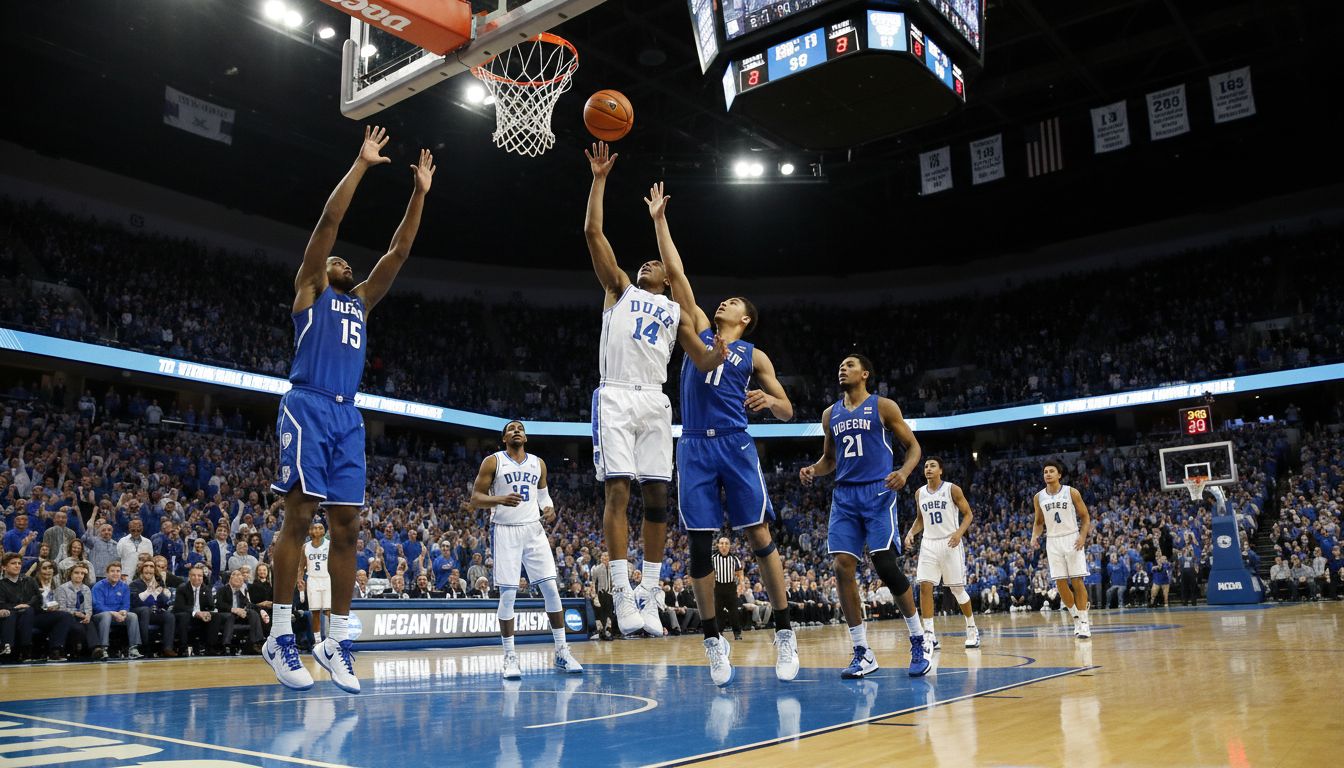
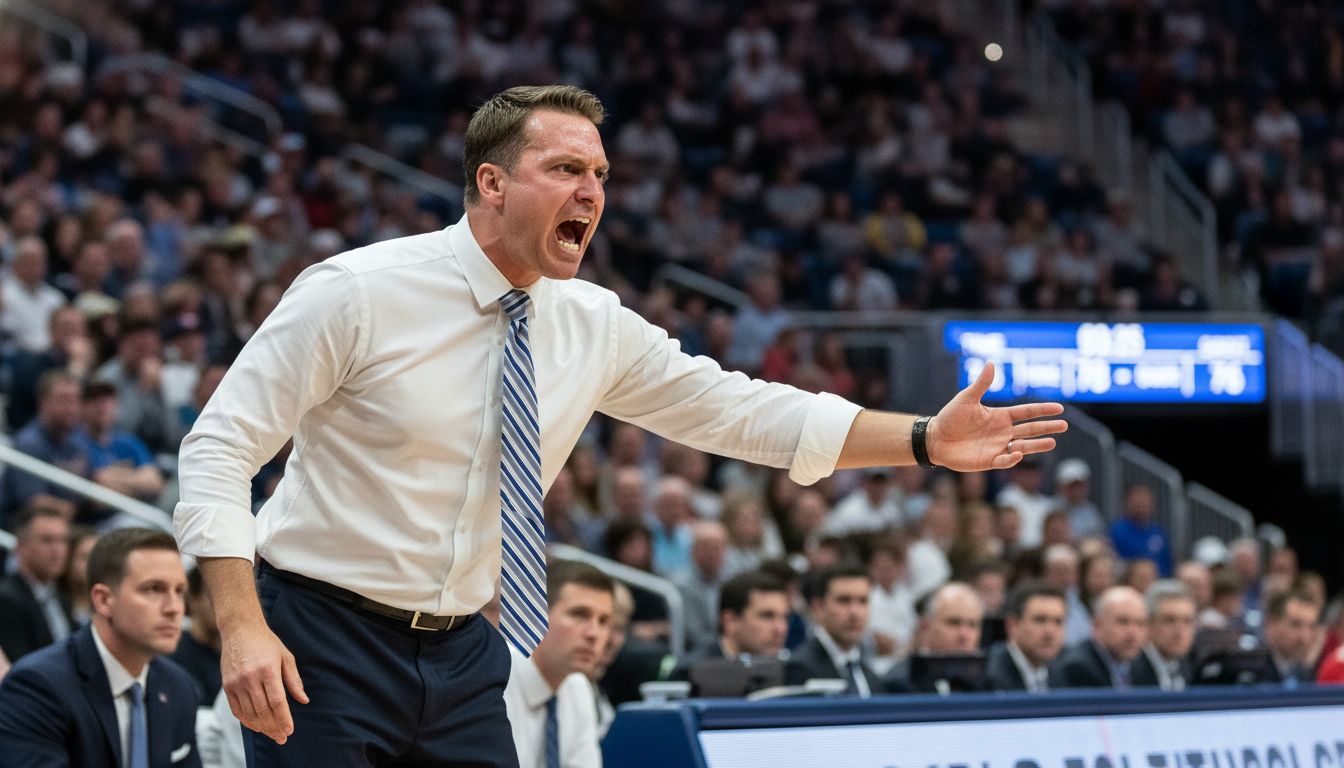
Dan Hurley tossed a verbal grenade into the blue-blood cocktail party when he said UConn and Duke are 'the two best' men’s college hoops programs of the last 30 years. Not the most storied, not the richest, not the loudest on Twitter – the best.
In an era where every brand with a practice facility wants to call itself 'elite,' the claim is worth more than a lazy barstool debate. Because if you strip away the marketing, the conference politics and the nostalgia, you’re left with an uncomfortable question for a lot of fanbases: who actually wins the thing? On that metric, Hurley has more of a case than the traditional powers want to admit.
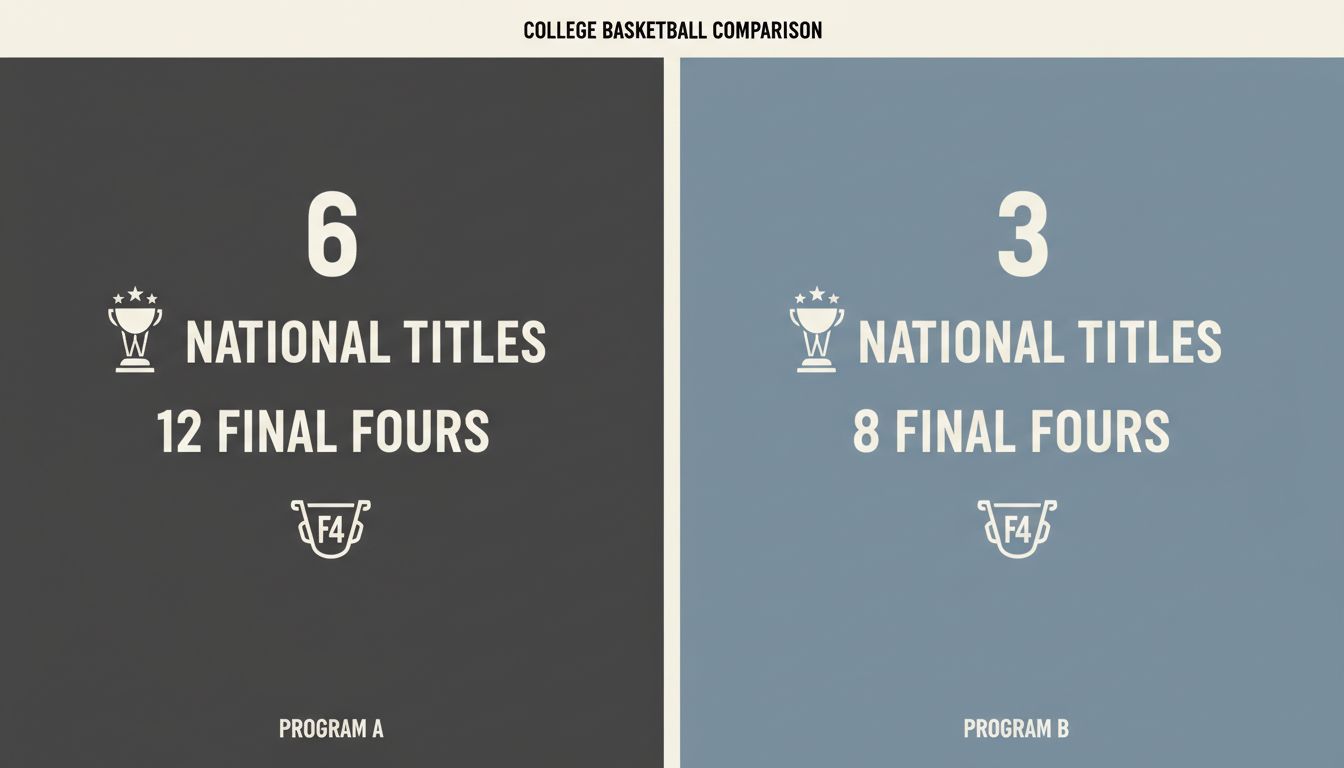
Start with the one number that never lies: national titles. Since Duke’s first championship in 1991, Duke and UConn have combined for 11 of them – UConn with six, Duke with five. No one else is close in the modern era of the sport, which is the only era that really matters to current recruits – sorry, your 1957 banner doesn’t move a 17-year-old in 2026.
That UConn haul is spread over three different head coaches: Jim Calhoun, Kevin Ollie and now Hurley. If you care about institutional strength and not just one generational coach catching lightning, that matters.
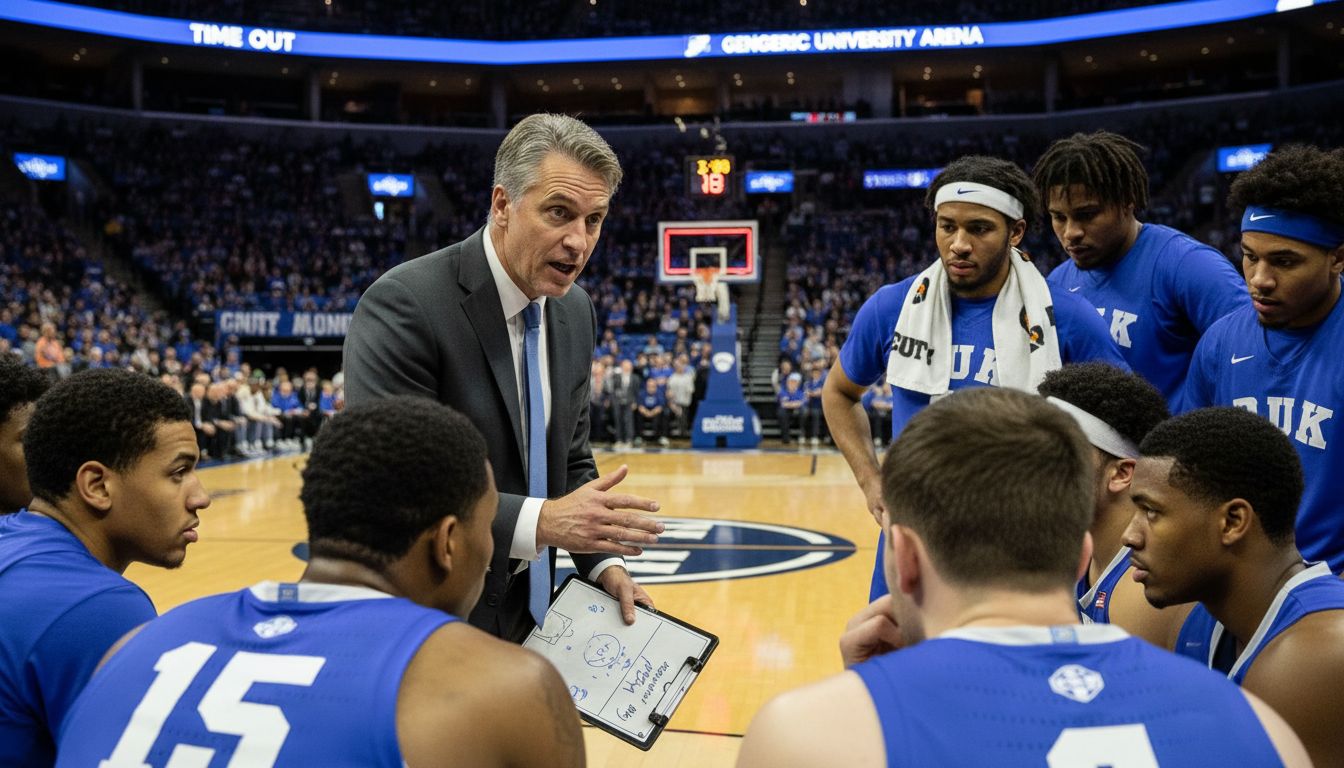
Duke, meanwhile, is the model of the one-empire system: one legendary monarch, Mike Krzyzewski, ruling from the sideline for decades. Fourth-year coach Jon Scheyer is trying to become the first Duke coach not named K to cut down the nets, which is both a compliment to the program and a reminder of how top-heavy its history really is.
UConn is the opposite personality type: volatile, occasionally weird, and lethal when it matters most. The Huskies have 'only' seven Final Fours since 1990-91, fewer than Kansas, Kentucky, Michigan State, Duke and North Carolina, but almost every time they make it, they slam the door on everyone else’s dreams.

Now, if you’re grading the last 30-plus years on sheer volume – wins, tournament bids, annual seed lines – UConn looks a lot spottier than the logo on their warm-ups suggests. The post-Calhoun years were a tour through college basketball’s wilderness: in Kevin Ollie’s six-year tenure and Dan Hurley’s first two seasons, UConn made just two NCAA Tournaments and never earned better than a No. 7 seed.
This is where the argument tilts depending on what you value – and where fan delusion kicks in. North Carolina, Kansas and Kentucky loyalists will throw Final Fours and all-time wins in your face, as if 30 years of history is the same thing as 80.
Hurley himself framed it in terms of institutional commitment, not just banners. He pointed to how deeply basketball is baked into the identity at both schools, even as they sell themselves as world-class academic institutions.
The fun twist is that for all the talk about 'blue bloods,' UConn doesn’t really fit the old-club criteria. They crashed the party late, stacked titles in bunches, then briefly vanished into the AAC wilderness before roaring back.
In the modern game, no two programs better embody the top of the food chain when it comes to actually finishing the job in March. If you want to build a case for another school, you have to either stretch the timeline way back or pretend NCAA titles are just one line on the résumé instead of the bolded headline.
Recently, UConn's dominance has been further solidified as both their men's and women's teams reached the Final Four in the same year, a feat they've accomplished six times since 2004. The men's team is seeking their seventh title, with Braylon Mullins hitting one of the greatest shots in March Madness history to overcome a 19-point deficit against Duke.
The women's team, led by national player of the year Sarah Strong, is on the verge of a perfect season, marking their seventh perfect season and 13th national title. This could be the third time the men and women both win a national title in the same year, a feat no other school has achieved even once.