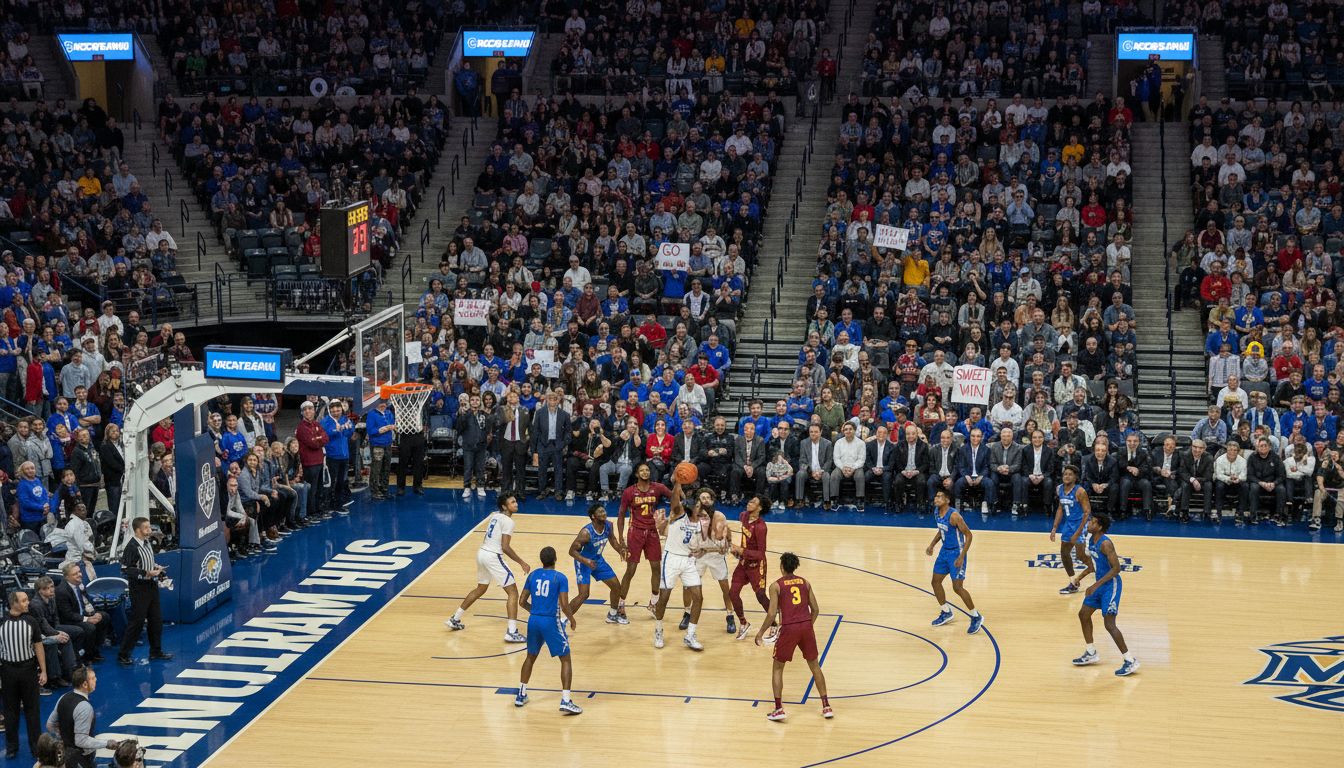
Here we are again, staring down a March Madness Sweet 16 that feels like someone hit “shuffle” on college hoops history and vibes playlists at the same time. Fourteen high-majors with real tradition, one brand-new Cinderella who refuses the label, and exactly zero mid-majors: that’s the 2026 landscape. On paper, it’s a power-conference flex; in practice, it’s a reminder that even inside the machine, there are still some very human, very messy, very fun stories. You don’t need a perfect bracket or a favorite blue blood to enjoy this. You just need a reason to care, and luckily, this field is basically a sampler platter of reasons.
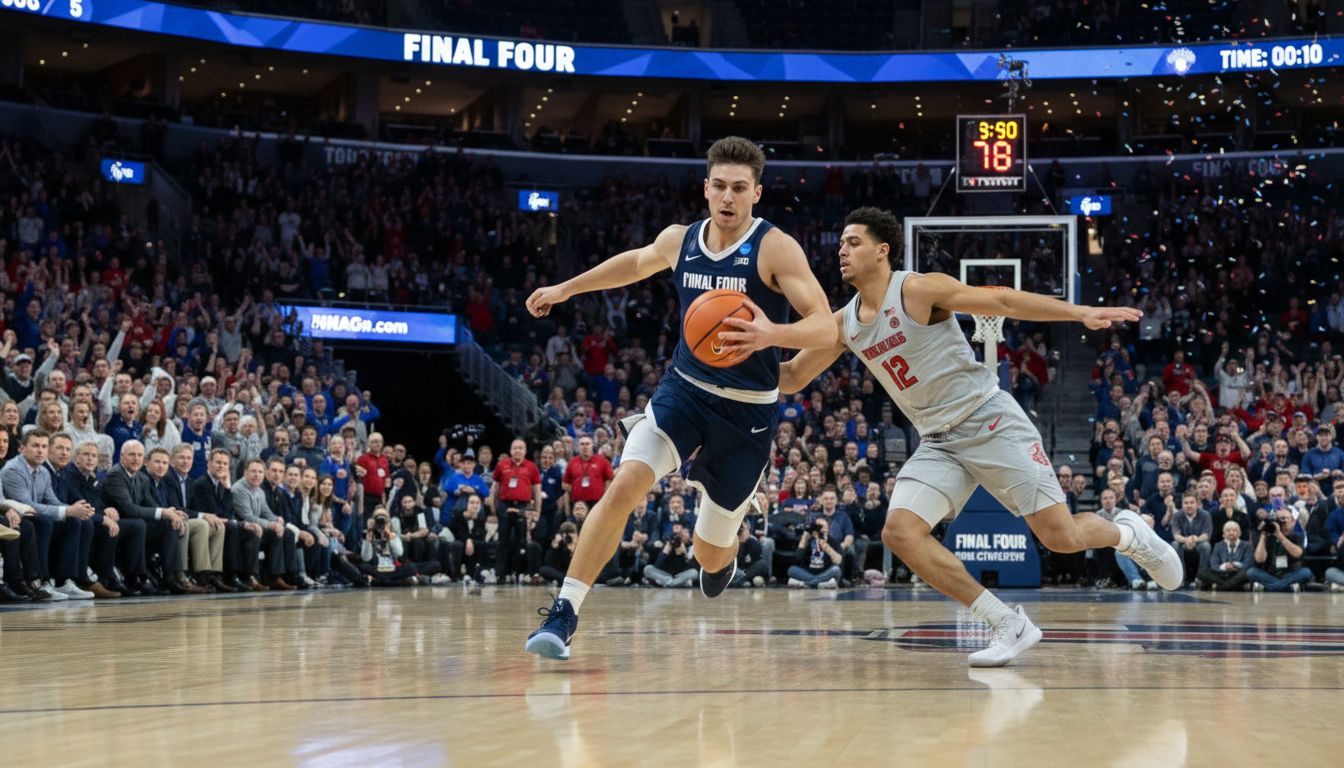
Let’s start in the Big Ten, which is having what the youths would call a moment. Iowa finally shook off decades of "cute offense, early exit" energy under first-year coach Ben McCollum, a D-II and mid-major legend who basically treats postseason wins like they’re a casual hobby. His track record at Northwest Missouri State and Drake reads like someone turned a coaching message-board fantasy into reality, and now he’s dragged the Hawkeyes to their first Sweet 16 since 1999. Across from them is Nebraska, literally the last high-major to never win an NCAA Tournament game until, suddenly, it won two in 48 hours. Between the Cornhuskers’ program history and the Fred-and-Sam Hoiberg father-son storyline, that Iowa–Nebraska game feels less like a regional semifinal and more like a therapy session for decades of Big Ten trauma.
Illinois shows up with a different kind of flex: depth. Yes, freshman star Keaton Wagler is the future-lottery-pick name on the marquee, but the Illini roll out an eight-man rotation where even the “bench guy” label is misleading. Andrej Stojaković coming off the bench and casually dropping 21 on VCU is the type of thing that makes opposing coaches stare at their scouting reports like, "We did prepare for this, right?" They’ll get Houston, which is running on pure redemption energy after last year’s national title game heartbreak, where the Cougars couldn’t even get a final shot up against Florida. With freshman Kingston Flemings plus returners Milos Uzan, Emanuel Sharp, and Joseph Tugler, this is less a revenge tour and more a second chance to give Kelvin Sampson the ring his résumé has been side-eyeing him about for years.
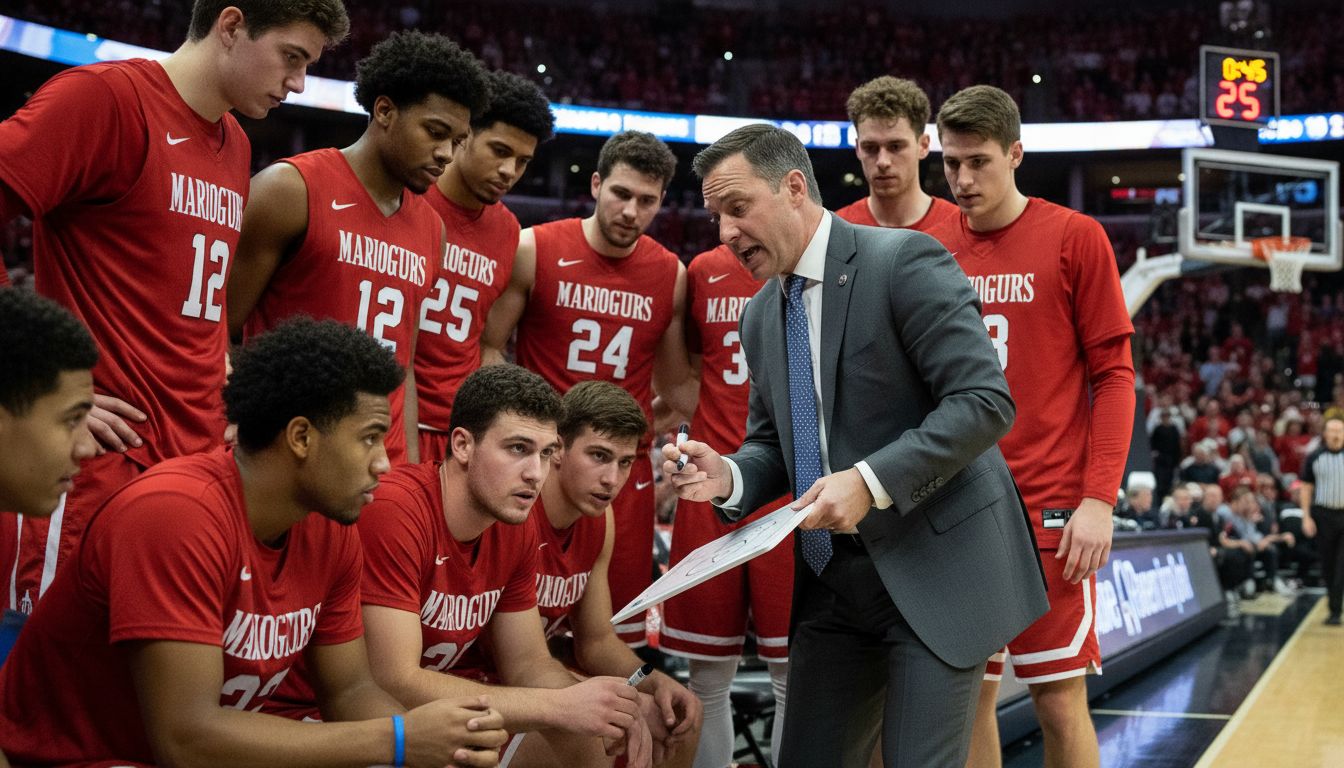
If you lean more star-chasing than story-chasing, Duke is your team by default. With BYU’s AJ Dybantsa and Kansas’ Darryn Peterson out, Cameron Boozer is the best NBA prospect left in the tournament and the presumptive National Player of the Year. He’s doing 22-10-4 on a nightly basis like it’s a group project he’s actually enjoying. Their opponent, St. John’s, brings something that never really goes out of style: relentless, 94-feet-of-heck defense under Rick Pitino. Kansas struggled to even inbound the ball against that press, and seeing a modern blue blood like Duke have to solve that old-school, in-your-jersey physicality is the kind of contrast that makes March feel cinematic.
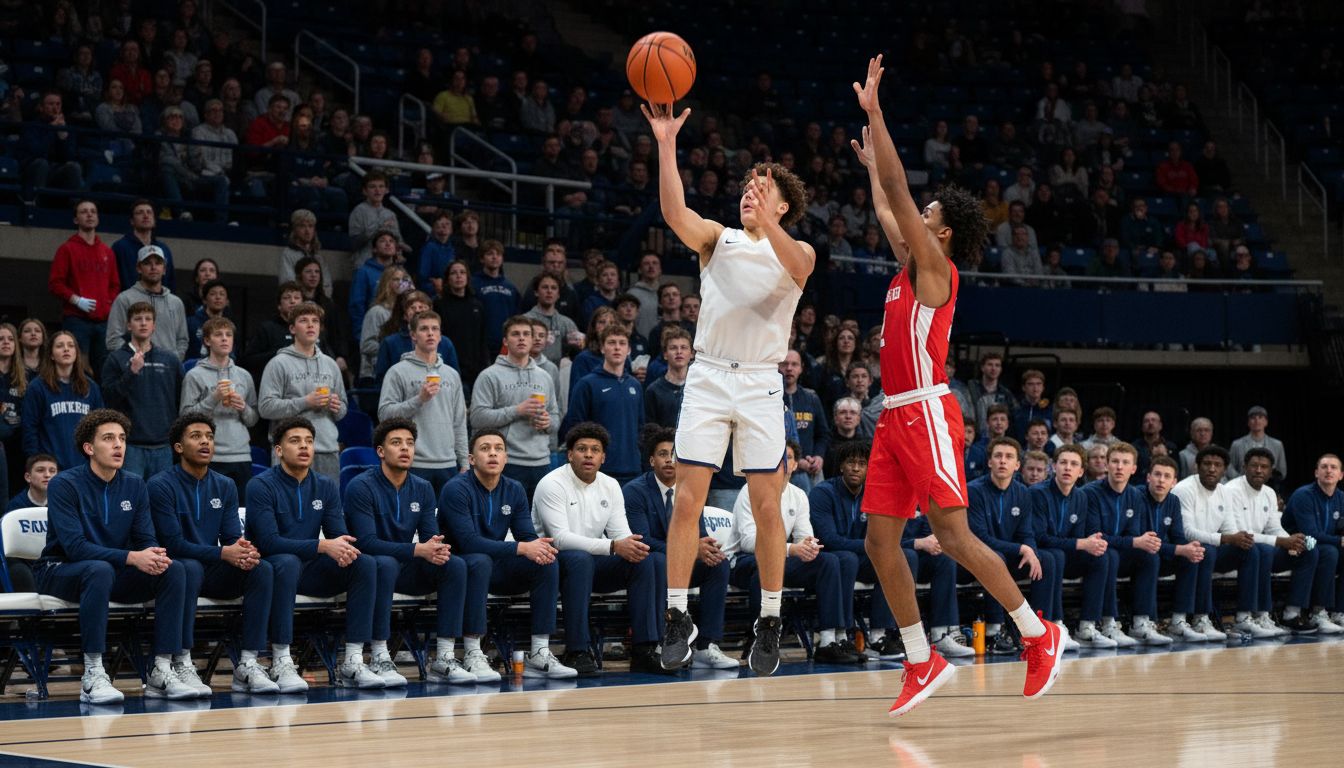
Speaking of cinematic, UConn is chasing the kind of history that usually only exists in grainy ‘60s footage and your grandparent’s “back in my day” speeches. The Huskies already had their three-peat bid denied last year by Florida, but three titles in four years is still on the table, something nobody’s seriously flirted with since UCLA’s absurd run under Wooden. Dan Hurley is polarizing, sure, but the man wins, and there’s something undeniably compelling about a program trying to carve out a modern dynasty in an era where rosters flip like streaming-service catalogs. On the other side is Michigan State, and if you’re more into pure on-court joy, Coen Carr is your entry point. He’s arguably the best dunker in college basketball, a human poster waiting to happen, and the fact that his overall game has rounded into a 12-points-per-night threat makes his highlights more substance than sideshow.
Arizona–Arkansas gives us the kind of youth movement matchup that would have broken Twitter in 2013. It’s the first Sweet 16 ever where both teams’ top two scorers are freshmen, which sounds like a glitch until you watch Koa Peat and Brayden Burries for Arizona trading buckets and bumps like they’ve been doing this for years. Burries is the lead scorer and a potential lottery pick; Peat is the interior bruiser who announced himself by hanging 30 on the defending champs in his debut. Across from them, Arkansas counters with Darius Acuff Jr., who has been performing the college version of a main-character takeover: 60 points in his first two tournament games, a freshman record, and a 49-point detonation on Alabama earlier this season. If you believe the old “guards win in March” cliché, Arkansas is your very loud, very convincing exhibit A.
Texas shows up as the lone double-digit seed and, in classic Texas fashion, would like you to know they are absolutely not a Cinderella. The Longhorns had to survive the First Four just to get here, becoming only the sixth team ever and the first since UCLA in 2021 to ride that route to the Sweet 16. They’ve got high-end talent and Sean Miller on the sideline, so it feels less like an underdog tale and more like a reminder that seeding is a suggestion, not a rule. Purdue, on the other hand, feels almost retro in how it’s built. The Boilermakers’ Core Three of Braden Smith, Fletcher Loyer and Trey Kaufman-Renn has actually stayed together for four seasons in an era where the transfer portal and the NBA Draft pull rosters apart on contact, and Smith just set the NCAA assist record for good measure.
Over in the paint-heavy corner of the bracket, Michigan has assembled a frontcourt that looks like it was drafted in franchise mode with the sliders broken. Yaxel Lendeborg, Aday Mara and Morez Johnson Jr. are all transfers, all their leading scorers, and all large problems for whoever draws them. Dusty May used a three-7-footer look last year to take Michigan from eight wins to the Sweet 16; this version might actually be scarier. They’ll get Alabama, which has leaned all the way into Nate Oats’ brand of high-octane offense: 91.6 points per game, tops in Division I. Guard Labaron Philon Jr. is the engine at 21.6 a night, but with Aden Holloway out after a felony arrest, the Tide have been forced to spread the scoring load—an on-court reminder that talent and accountability can coexist, even when the headlines get messy.
Finally, the Iowa State–Tennessee matchup is for the basketball nerds and the emotionally invested alike. Iowa State’s Milan Momcilovic is in the middle of what might literally become the greatest shooting season the sport has ever seen, hitting 49.3% from three on 7.6 attempts per game—numbers that live in the same neighborhood as legends like Stephen Sir but with way more volume. Every time he pulls up, it feels like a math problem the defense is doomed to lose. Tennessee, meanwhile, is chasing a different kind of history: its first-ever Final Four. Rick Barnes has been to that stage once, way back with Texas in 2003, and the Vols have made the Sweet 16 four straight years with back-to-back Elite Eight runs, hovering heartbreakingly close to the breakthrough. At 71, Barnes is running out of chances for that storybook ending, and there’s a certain poignancy in watching a program and a coach trying, again, to kick through a ceiling that’s been hanging over them for decades.
If there’s a through line in this Sweet 16, it’s that modern college hoops is holding two truths at once. On one hand, the power conferences are hoarding all the spots—no mid-majors survived, and only one double-digit seed is left. On the other, inside those same programs are walk-ons turned key players, coaches reinventing themselves, freshmen rewriting record books, and veterans clinging to continuity like it’s a competitive advantage—which, at this point, it kind of is. You can read that as a commentary on how money, exposure and the portal have reshaped the sport, or you can just pick a story—any story—that makes you feel something and ride with it for as long as it lasts. Either way, this Sweet 16 isn’t about who you’re supposed to root for; it’s about finding the team whose chaos best matches your own.